Avant-garde film Glossary
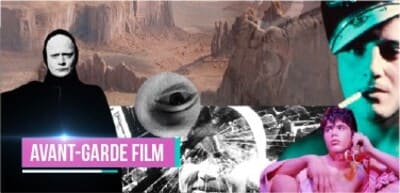
Avant-garde film refers to a genre of experimental cinema that pushes the boundaries of traditional filmmaking conventions and explores new artistic possibilities. It challenges established narrative structures, visual techniques, and societal norms to create unconventional and thought-provoking cinematic experiences.

Purpose of Avant-garde film
The purpose of avant-garde movies is to break away from mainstream cinema's conventions and push the boundaries of artistic expression. It seeks to provoke thought, challenge viewers' perceptions, and evoke emotions through innovative storytelling, unconventional aesthetics, and experimental techniques. Avant-garde filmmakers often aim to question societal norms, explore philosophical ideas, and offer unique perspectives on the human experience.
Characteristics of Avant-garde Film
- Experimental Techniques: Avant-garde cinema employs unconventional techniques, such as abstract visuals, non-linear narratives, fragmented editing, and juxtaposition of disparate images, to challenge the viewer's expectations and expand the medium’s possibilities.
- Non-Narrative Structure: Unlike traditional storytelling, avant-garde films often lack a linear plot or clear narrative structure. Instead, they focus on sensory experiences, symbolic imagery, and the exploration of themes and emotions.
- Self-Reflexivity: Avant-garde filmmakers often draw attention to the filmmaking process, blurring the boundaries between the film and its audience. They may incorporate elements like direct address, metatextual references, or overt manipulation of the medium to provoke critical thinking.
- Subversion of Norms: Avant-garde films challenge societal conventions, whether through provocative subject matter, unconventional portrayals of gender, sexuality, or identity, or critiquing political, cultural, or artistic ideologies.
- Abstract and Symbolic Imagery: Avant-garde films frequently employ abstract and symbolic visuals to evoke emotions and convey ideas indirectly. These images may be open to interpretation, encouraging viewers to engage actively with the film and derive personal meaning.
Avant-garde film Examples
- "Un Chien Andalou" (1929) by Luis Buñuel and Salvador Dalí: A surrealistic short film that blends dreamlike imagery and shocking juxtapositions to challenge conventional narrative structures.
- "Meshes of the Afternoon" (1943) by Maya Deren: An experimental film exploring the subconscious mind through repetitive motifs, dreamlike sequences, and innovative editing.
- "La Jetée" (1962) by Chris Marker: A science fiction short film composed almost entirely of still images, offering a contemplative exploration of memory, time, and human consciousness.
- "Scorpio Rising" (1963) by Kenneth Anger: A provocative and visually striking film that combines pop culture, homoerotic imagery, and a fragmented narrative to challenge societal taboos.
- "Koyaanisqatsi" (1982) by Godfrey Reggio: A wordless documentary juxtaposing breathtaking time-lapse cinematography with a mesmerizing score, reflecting on the relationship between humanity, nature, and technology.

CATEGORIES
- MBA Program
- Data Science and Analytics
- Cloud Computing
- Data Analytics and Business Intelligence
- AI and Digital Systems
- Cyber Security and Digital Forensics
- Business Analytics & Intelligence
- Banking & Financial Services
- International Business
- Digital Marketing
- Research Paper
- Media & Entertainment
- Media Management
- Journalism and Media Production
- Media & Information Technology
- Visual Communication
- Game Development
- Sound Engineering
- Game Art & Design
- Photography
- Film Making
- Animation & VFX
Are you aspiring to become a proficient Film Making professional?
Look no further; we are committed to nurturing the potential of young minds. Are you ready to enhance your skills?