What is Colour Theory In Film, How It Can Transform Your Storytelling
Mastering color theory in filmmaking allows you to tell richer, more immersive stories. Whether you’re using color theory for filmmakers to guide your audience’s emotions, highlight character development, or create visual cohesion, color is a powerful tool in your storytelling arsenal.

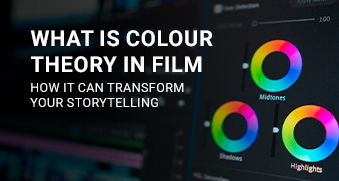
What is Colour Theory In Film, How It Can Transform Your Storytelling
In the world of cinema, every frame is a canvas—and color theory in filmmaking is the palette that brings stories to life. Understanding color theory for filmmakers isn’t just about making things look pretty; it’s about using film color theory to evoke emotion, guide the audience, and deepen the impact of your narrative. Let’s explore how mastering color theory in film can elevate your storytelling.
What is Colour Theory in Film?
Color theory in filmmaking is the study and application of color to create specific moods, convey meaning, and enhance storytelling. It’s about choosing the right color schemes for characters and environments to support your film’s message and emotional tone.
The History of Colour Theory
The roots of colour theory stretch back to artists and scientists exploring how colors interact and affect perception. In film, color theory gained prominence with the advent of color cinematography, allowing directors to use color as a powerful narrative tool. Today, film color theory is a cornerstone of visual storytelling, influencing everything from costume design to lighting.
The Psychology of Colour
Colors have a profound effect on our emotions and perceptions. Here’s how some of the most common colors are used in color theory for filmmakers:
Red: Red is bold and passionate. It often signals danger, love, or power. In film, red can draw attention and heighten tension.
Pink: Pink is associated with sweetness, romance, and sometimes vulnerability. It’s often used to soften a scene or highlight innocence.
Orange: Orange is energetic and warm. It can evoke feelings of excitement, adventure, or nostalgia.
Yellow: Yellow is cheerful and optimistic, but it can also signal caution or anxiety, depending on its shade and context.
Green: Green represents nature, growth, and sometimes envy or sickness. It’s versatile, often used to create a sense of calm or unease.
Blue: Blue is calming and trustworthy. It can also feel cold or melancholic, making it ideal for scenes of introspection or sadness.
Purple: Purple is mysterious and luxurious. It’s often associated with royalty, magic, or the supernatural.
How Do Filmmakers Use Colour Theory in Film?
Filmmakers use color theory in film to create visual harmony and meaning. Here are some common approaches:
Monochromatic: Using variations of a single color to create a unified, cohesive look.
Analogous: Combining colors that are next to each other on the color wheel for a harmonious, natural feel.
Complementary: Pairing colors opposite each other on the color wheel to create contrast and visual interest.
Triadic: Using three colors evenly spaced on the color wheel for a vibrant, balanced palette.
Discordant: Deliberately clashing colors to create unease or tension.
Associative: Assigning specific colors to characters or themes to reinforce their identity or journey.
Transitional: Changing the color palette to reflect shifts in mood, time, or character development.
How to Create a Colour Scheme for Your Film
Creating a color scheme for your film starts with understanding your story and its emotional beats. Consider the following steps:
Define the Mood: What emotions do you want to evoke?
Choose a Palette: Select a color scheme that supports your mood and themes.
Plan for Characters: Use color schemes for characters to reflect their personality or arc.
Coordinate with Departments: Work with costume, set, and lighting teams to ensure consistency.
Bringing It All Together: Using Colour Theory to Strengthen Your Film
Mastering color theory in filmmaking allows you to tell richer, more immersive stories. Whether you’re using color theory for filmmakers to guide your audience’s emotions, highlight character development, or create visual cohesion, color is a powerful tool in your storytelling arsenal.
By thoughtfully applying film color theory and experimenting with different color schemes for characters and scenes, you can transform your film from good to unforgettable. Start exploring the possibilities of colour theory today—your audience will feel the difference.

CATEGORIES
- MBA Program
- Data Science and Analytics
- Cloud Computing
- Data Analytics and Business Intelligence
- AI and Digital Systems
- Cyber Security and Digital Forensics
- Business Analytics & Intelligence
- Banking & Financial Services
- International Business
- Digital Marketing
- Research Paper
- Media & Entertainment
- Media Management
- Journalism and Media Production
- Media & Information Technology
- Visual Communication
- Game Development
- Sound Engineering
- Game Art & Design
- Photography
- Film Making
- Animation & VFX
Are you aspiring to become a proficient Film Making professional?
Look no further; we are committed to nurturing the potential of young minds. Are you ready to enhance your skills?