How Film Critics Manage to Keep the ‘Behavioural Bias’ Aside
Acclaimed National Award winning critic Ashok Rane recently conducted a film criticism workshop at Seamedu School of Pro-Expressionism, and one of the topics discussed was behavioural bias and how mainstream film criticism in India cannot always rise above it when delivering verdicts.
Since it is a meaty (and relevant) topic with many layers and undercurrents, we thought we would delve a little deeper into this topic in this blog post.
Before we go any further, we need to understand film critics meaning in this context. Behavioural bias refers to individual character traits that lead to emotional responses rather than rational ones.

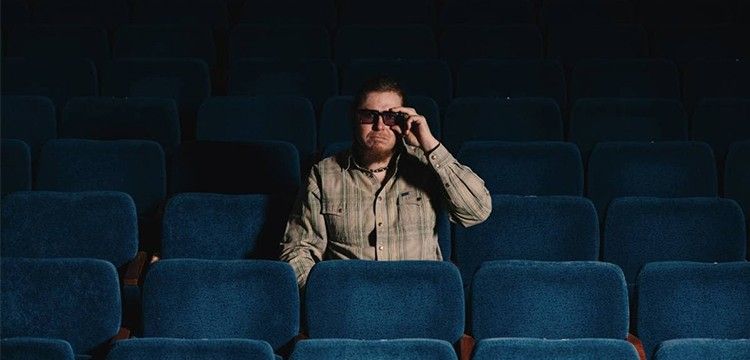
Rising above bias is crucial for movie critics because if they are not objective, it undermines the purpose of their reviews. Movie critic reviews significantly influence audience perceptions and, ultimately, the success or failure of a film. As the famous quote from Spider-Man goes, “With great power comes great responsibility.” Film critics must embrace this responsibility, ensuring personal emotions do not cloud their judgments.
What does a film critic do?
In simple words, a movie critic reviews movies. He or she has to put his or her individual differences and opinions aside when critiquing a film. The easiest way film critics are led astray is when the subject or the topic of the film doesn’t match their ideologies. However, that cannot be accepted. A critic’s job isn’t just to run the rule on a story; anyone can do that, and responses to narratives are always subjective. The critic has to look at the story, the technical aspects like the camera work, lighting, editing, and acting, the sound score, the sets, the dialogue, and every single aspect that goes into the making of the film. The story is just one part of it.
Here is an example of this situation, from the Odyssey, where movie critic reviews by critic Zachary Palmer discuss story-based bias and how it affects film critics when evaluating a film.
“It’s one thing to dislike a movie for its content yet still write an accurate review on social media analyzing what the film did well and where it could improve; it’s another to trash a film under the guise of “film criticism” solely because you disagree with the film’s ideas or political views, all the while completely ignoring the film’s aesthetics. This is why one of the largest problems in the film criticism community is the inability of critics to stay focused on the film at hand.”
Another trap that film critics fall into is pretentiousness. The idea that a critic can only appreciate intellectual, artsy films is a flawed one, and results in situations where the critic falls flat. There are many examples of this, as celebrated choreographer-turned-film-director Farah Khan illustrated in this interview with The Indian Express.
She said:
“It would be great if everyone likes the movie, critics and the audience. But I think there is a bias against commercial cinema. I know the critics are only doing their job, but there is a breed of critics that only likes slow and boring movies.”
“I am noticing that the critics today are liking only a particular type of film, which is arty, slow and a bit boring. They do not like commercial films at all. So if we follow only those four people, then the film industry will shut down.”
A sentiment echoed by this Screen Rant article. In the article, the writer talks about why critics might find themselves against the odds when talking about the more niche, independent films.
“As blockbuster film brands are becoming a staple of pop culture awareness, cost of ticket prices and concessions are increasing – dramatically. As a result, viewers have become selective about which films they’ll pay to see in theatres – meaning that more people are seeing a smaller batch of triple-A films (the ones that take advantage of big screen projection) and saving smaller movies for in-home streaming. Assuming that even open-minded cinephiles can only afford to see one or two films a month at the theatre, it makes sense that they’ll pay to view the movies everyone is buzzing about – and save indie fare for Netflix.
For that reason, movie critics who criticise casual-friendly films while advocating for lesser-known indie fare, can appear out-of-touch with a majority of their audience – even when criticisms are valid – simply because they are not judging a movie based on the same criteria as ticket buyers.”
Now that’s an interesting insight and one that film critics should keep in mind when assessing a film’s capabilities and qualities. Understanding what are movie critics expected to evaluate can help in bridging the gap between audience expectations and critical analysis.
Conclusion
To sum up, a film should entertain its audiences, and movie critics should judge it on this. How the filmmaker achieves the holy grail of audience satisfaction cannot be a factor in movie critic reviews when assessing whether or not a film is successful, mainly when those reasons for dislike of the film’s approach stem from behavioural bias or a personal worldview. The audience isn’t a reflection of the critic, but the critic has to reflect the audience. Watching with blinkers on will ultimately prove to be a self-defeating practice.
What are movie critics, and why is their role significant? Film critics are essential in shaping public opinion, and their reviews influence audience perception.
Film criticism is an essential subset of film studies, and we at Seamedu (Pune and Bangalore), ensure that our students learn to watch and review films unbiasedly. For those interested in becoming a film critic, our courses provide the right foundation. Learn all about our filmmaking courses and contact us for more details!

CATEGORIES
- MBA Program
- Data Science and Analytics
- Cloud Computing
- Data Analytics and Business Intelligence
- AI and Digital Systems
- Cyber Security and Digital Forensics
- Business Analytics & Intelligence
- Banking & Financial Services
- International Business
- Digital Marketing
- Research Paper
- Media & Entertainment
- Media Management
- Journalism and Media Production
- Media & Information Technology
- Visual Communication
- Game Development
- Sound Engineering
- Game Art & Design
- Photography
- Film Making
- Animation & VFX
Are you aspiring to become a proficient Film Making professional?
Look no further; we are committed to nurturing the potential of young minds. Are you ready to enhance your skills?