Insight Into Automobile Photography
During the shoot, creatively focus on small yet significant features. Walk around the vehicle with your camera and stop to capture the elements that draw your eye — such as logos, seat leather texture, stitching, the steering wheel, dashboard, headlights, and other unique design accents.

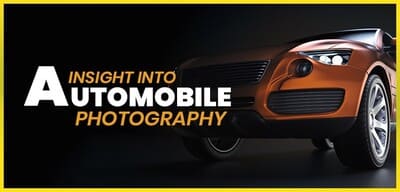
Automobile photography is a very famous subject, from slim sports cars, to bulky cars, to rusted, everyone has a different type of car that they find interesting.
Each vehicle has its own Identity & personality. It can be a racer, designed for speed and power, or it may be a limousine that aims to provide sophistication and a sense of grandeur.
Automobile photography depends on capturing the unique personality of each vehicle, and there are several automobile photography tips and techniques that you can use to shoot automobiles. You can use these to shoot automobiles that can go beyond simple photographs to artistic, inspiring, and engaging.
Setting A Scene
Shoot a vehicle in a location that reflects its “personality.” For example, if you are shooting a street racer, it will look more attractive on location than indoors. Choosing the right setting is one of the most effective car photography techniques to bring out the true character of the vehicle.
For outdoors mostly automobiles are shot during dusk or dawn. Both dusk or dawn gives nice warmth and even light to the vehicle that will get the vehicle standing out from the background.
Wash The Vehicle Properly:
It is very important to wash the vehicle properly and for automobile shoots, there is always a dedicated washing and cleaning team required, if the vehicle is dirty it will look really bad in the image and it will be very difficult for the post-processing. One of the most essential automobile photography tips is to ensure the car is spotless before the shoot.
Washing and drying before shooting will add great reflections which will help for highlighting the different planes, surfaces and paintwork of the vehicle.
Always use any soft drink to clean the tyres initially and then rube and polish the tyres with boot polish which will highlight the tyres.
The dulling spray is highly recommended to cut the unnecessary reflections on the vehicle, which can be removed easily after the shoot.
The Angle Of The Front Wheel
Turning the front wheel which will be facing the camera will give more dynamic looks to the vehicle. It creates an interesting frame than the straight facing wheels.
Creative Viewpoint
Eye-level angle is advisable and commonly taken by the photographers and required by the clients as well.
To engage the viewer, always use your visualisation to try an unusual angle that makes the vehicle look more dynamic. One of the most effective car photography techniques is to shoot from above — this adds visual appeal, especially when done at scenic locations like mountains, bridges, rivers, or lakes.
Shooting above the level will make the vehicle look even more attractive, locations like mountains, bridges, rivers, lakes etc will add creativity to your frame.
Low angle again gives a very powerful and dynamic look to the vehicle, this angle is mostly used for heavy and big vehicles.
A two-Third angle is the must angle and the first requirement of the client because this angle presents the vehicle at the three-dimensional view, and it gives a very dynamic and powerful look to the vehicle, Point the camera at an angle that allows to zoom in if required.
Panning Shots
Panning shots are again required shots for advertising purposes, it also gives you the feeling of speed and motion to the image.
It’s important to show all the four wheels to get that 3-dimensional image. while capturing a low angle from ground level especially two/third angle make sure the back wheel is visible.
Concentrate on reflections and make sure the camera, lights, equipment or any other things around are not reflecting on the vehicle.
Details Are Important:
This is one of the top priorities in professional automobile photography. Clients always require each and every detail of the vehicle for advertising purposes, during shooting the entire vehicle you can shoot small details creatively and get brilliant shots. Go as close to the vehicle and walk around with the camera and equipment and stop wherever and whenever you come across the details of the feature to your eyes, for example, logos, seat leather texture, steering wheel, dashboard etc.
major requirements of a client.
During the shoot, creatively focus on small yet significant features. Walk around the vehicle with your camera and stop to capture the elements that draw your eye — such as logos, seat leather texture, stitching, the steering wheel, dashboard, headlights, and other unique design accents.

CATEGORIES
- MBA Program
- Data Science and Analytics
- Cloud Computing
- Data Analytics and Business Intelligence
- AI and Digital Systems
- Cyber Security and Digital Forensics
- Business Analytics & Intelligence
- Banking & Financial Services
- International Business
- Digital Marketing
- Research Paper
- Media & Entertainment
- Media Management
- Journalism and Media Production
- Media & Information Technology
- Visual Communication
- Game Development
- Sound Engineering
- Game Art & Design
- Photography
- Film Making
- Animation & VFX
Are you aspiring to become a proficient Photography professional?
Look no further; we are committed to nurturing the potential of young minds. Are you ready to enhance your skills?