Photography as a Career: Bringing Stories to Life
Photography is so much more than just a career. It is art. And just like any form of art, in order to succeed, it requires oodles of commitment, knowledge, passion, drive and an elderly aunt to say, “You’ll never make any money in your life, beta”. Here’s looking at types of photography as a rewarding career option.
“The whole point of taking pictures is so that you don’t have to explain things with words.”
— Elliott Erwitt
The pen is mightier than the sword and the camera is mightier than the pen! It’s so much easier to take a photograph than describe a moment with words… Or so one might think… There’s a lot more that goes into taking a good photograph than just a good camera. A good photograph requires an interesting subject, a camera and a photographer who knows how to connect the two. Suppose you're wondering how to become a photographer. In that case, it’s essential to understand that mastering the art involves developing a keen eye for detail, learning technical skills, and gaining experience in various styles and techniques.

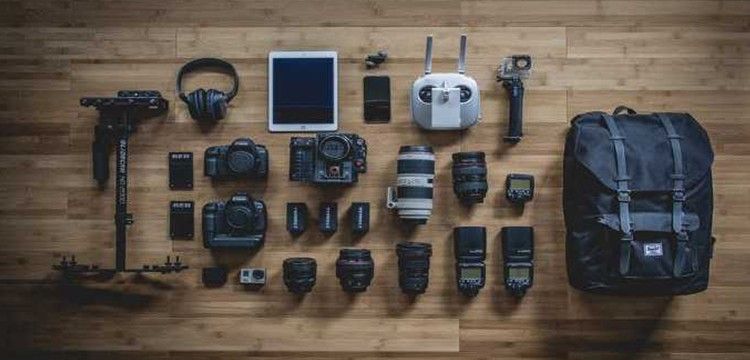
Filters and Photoshop do not make a photographer
Photography has changed a lot and is now actually a viable career option in India. Digital technology has made photography so accessible that anyone with a smart phone is now a photographer. Being a good one, however, is an entirely different ball game. There are many types of photography, such as portrait, landscape, wildlife, and fashion, each requiring specific skills and techniques to excel..
There is no point in spending tens of thousands of rupees on a fancy DSLR only to use it in Auto mode as a point and shoot camera. Nor is there any point in taking a photograph with the intent to fix any errors in “post” and while filters can add a certain emotion to a picture, they do not fix errors.
Why study Photography?
The camera and lenses are just a part of a photographer’s tools. A photographer needs to know how to use lighting to enhance a scene or how to use natural light to their best advantage. Mastering these technical skills is essential when considering photography as a career. A photographer also needs to know how to use photo editing software to enhance their skill set.
Photography also builds your transferable skills. Studying photography enhances decision making, digital understanding, communication, self-confidence, presentation, collaboration, self-analysis, research and marketing skills. This opens up avenues in field like digital marketing, filmmaking and social media that were not available to photographers in earlier days.
A photographer needs an impressive portfolio to get hired. A good photography school sets you on your way to putting one together so you have something to show potential employers. A common mistake made by photographers is to include all of their work in their portfolio. A good photography school will help you learn how to pick and choose work to display so that your work is showcased in the best light.
Understanding how to become a photographer involves more than technical skills; it also requires creating a compelling portfolio highlighting your unique style and vision.
Picking the right photography course
There are plenty of different courses available to study photography. Picking the right one for you will require some introspection. Do you want to pursue photography as a career? Or is photography an asset that enhances your current skill set? If it is the former, a degree course in photography that goes in-depth might be the better option for you while if photography is meant to enhance your current educational skill set, a Diploma might fulfil your needs.
Check out this comprehensive guide to know everything about a career in photography
Seamedu’s Department of Photography
Seamedu’s courses stand out as they are designed to give our students the skills and technical know-how to turn their passion into careers. They nurture inherent talent and help our students discover their own personal styles. Our photography courses also take into account the business side of things as it is equally important for a professional photographer to understand this as well as a camera.
Our courses are built on the philosophy of learning by doing and so consist of 70% practical work and 30% theory. After all, the best way to learn is to be out there doing what you love best!
Diploma course:
Seamedu’s Diploma in Photography is a one year course that can be taken right after your 12th grade. Students can choose a specialisation in fashion photography or product photography.
Degree course:
This three year intensive course is available in Pune, Mumbai and Bangalore. The course is intended to give students a mastery over the camera with the help of leading individuals in the industry today.
Here’s a quick look at what is included in our courses:
- Fundamentals of photography
- Artificial and natural lights
- Studio lighting and photography
- Quality and quantity of light
- Study of colour and texture
- Principles of design and composition
- Fashion, people and portrait photography
- Photojournalism
- Wedding / Event photography
- Landscape, wildlife and travel photography
- Sports, industrial, interior and architecture photography
- Table top, food and product photography
- Conceptual fashion photography
- Advance skin retouching for fashion/ conceptual fashion photography
- Developing concepts / ideas for product photography & their uses
- Advance retouching for different types of products & food photography
- Making and 100% examination of portfolio
So whether you want to become a gourmet food photographer, a wacky wildlife photographer or a high end fashion photographer or want to add a new skill to your resume, exploring photography as a career can be a rewarding choice. Seamedu has the course for you. So bring your cameras and let’s get clicking!
Salary of a Photographer in India
The salary of a photographer in India can vary significantly based on factors such as experience, specialisation, and location. Entry-level photographers earn less as they build their portfolios. At the same time, those with several years of experience or expertise in high-demand areas, such as wedding or commercial photography, tend to earn more.
Freelance photographers may experience fluctuating income depending on how many assignments they secure. Established photographers with a solid reputation and a strong client base can command higher rates, especially in metropolitan cities. Overall, a photographer's earning potential in India is influenced by their skills, market demand, and networking capabilities.
CATEGORIES
- MBA Program
- Data Science and Analytics
- Cloud Computing
- Data Analytics and Business Intelligence
- AI and Digital Systems
- Cyber Security and Digital Forensics
- Business Analytics & Intelligence
- Banking & Financial Services
- International Business
- Digital Marketing
- Research Paper
- Media & Entertainment
- Media Management
- Journalism and Media Production
- Media & Information Technology
- Visual Communication
- Game Development
- Sound Engineering
- Game Art & Design
- Photography
- Film Making
- Animation & VFX
Are you aspiring to become a proficient Photography professional?
Look no further; we are committed to nurturing the potential of young minds. Are you ready to enhance your skills?