Can I Study Both VFX and Animation Simultaneously?
Many students and creative young people sometimes mistake animation and visual effects (VFX). Despite their differences, they have many common themes. Understanding the distinctions might aid you on your learning path.
Are CGI and vfx the same? Many online courses and degree programmes are accessible. It is dependent on the difficulty and your effort. For individuals interested in both disciplines, exploring ways to learn animation and VFX simultaneously might broaden your future options.
Both animation and Visual Effects or VFX have been around for a long time in the entertainment industry. Unless you live under a rock, you may have watched some great films, advertisements, and videos that are either partially enhanced or entirely created using animation and VFX. With ‘video’ becoming the keyword today, we see an unbelievable amount of visual content produced and released daily. Ever wondered how many people’s efforts are involved in making such films or videos?
A Statista report states that India's VFX and postproduction industry has seen steady growth – from ₹39 billion to ₹68 billion between 2016 and 2019. Estimates suggest this industry will reach a staggering ₹147 billion by 2024.
It is no secret that given the increasing demand for highly engaging visuals, incredible VFX and realistic animation, the scope for animation experts and VFX professionals is enormous. However, if you are having a tough time choosing between animation and VFX as subjects and career avenues, it is important that you understand these two concepts first. Contrary to popular belief, VFX and animation are not the same.
What is VFX?
Visual Effects, or VFX, is also known as Computer-Generated Imagery (CGI). As the term suggests, it involves using various digital tools to create, replace, or enhance visual content. Autodesk Maya, 3Ds Max, Mocha, Nuke, Silhouette, and Adobe After Effects are some of the most potent VFX tools used in the industry today.
There is a wide variety of things that can be achieved using VFX, including:
- Environment creation
- Removal of elements
- Manipulation of live video footage
- Integration of live-action footage and computer graphics
VFX is widely popular because it allows filmmakers to create difficult or impossible visuals to shoot in the real world. Endgame, Interstellar, Baahubali, Game of Thrones – no feature film or series today does not leverage the power of visual effects to produce outstanding visuals. If you’ve wondered how Khaleesi’s fearsome dragons were created, the credit goes to the VFX artists. Or, if you were curious about the epic scene from The Matrix where Keanu Reeves dodges those trace-leaving bullets, here’s a video that demonstrates how it was initially shot using green screens and what the result was. For those asking how long does it take to learn VFX, the answer depends on various factors including your dedication and the complexity of the techniques you wish to master.
What is Animation?
Animation refers to simulating or creating the illusion of movement by sequentially placing multiple images in quick succession. 2D animation, 3D animation, motion graphics, and stop motion animation are some of the most popular types under this category. Animation is used across the board for projects like:
- Feature films
- Television and web shows
- Digital videos
- Advertisements / commercials
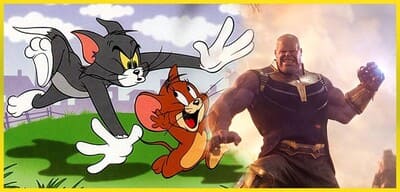
From Mickey Mouse and Tom and Jerry to Wall-E and Toy Story, animated films have won the hearts of audiences worldwide. Blender, Cinema 4D, After Effects, Adobe Animate, Autodesk Maya, 3D Max Design, and Adobe Animate are some examples of high-end software that animators use for their projects. Here’s a fantastic video that takes you down memory lane to track the evolution of animation – from hand-drawn animation to its computer-enabled ultramodern version:
So, Animation and VFX Are Two Entirely Different Worlds, Then?
Yes, there are several differences between animation and VFX, but they converge more often than you would imagine. For instance, take the Harry Potter series of films or even last year’s Detective Pikachu. You will notice that such films successfully combine live-action footage (loaded with many visual effects) and animation.
While most of the audience uses the terms VFX and animation interchangeably, you must understand what makes them different. As mentioned above, there are differences not only on a conceptual level but also in creation and application.
Kick-start Your Career in VFX and Animation With This Handy Guide!
If you are pondering over what kind of career opportunities exist in either field, here are some of the most in-demand jobs in the industry.
VFX:
- Compositing artist
- Lighting artist
- Roto artist
- Matte painter
- Match mover
- Rendering artist
- Layout artist
Read about these roles in detail here.
Animation:
- 2D animator
- 3D animator
- 3D modeler
- Storyboarding artist
- Texturing artist
- Character animator
How Long Does it Take To Learn VFX?
Can I Study Both VFX and Animation Together?
We have already established that the two realms often go hand-in-hand. While most colleges offer degree or diploma (or even certificate) courses in either animation or visual effects, it is recommended that you choose a program that provides a mix of both, especially if you're interested in learning how to learn VFX and animation.
Seamedu School of Pro-Expressionism, for example, delivers an all-encompassing degree in visual effects and animation for film and TV at two campuses:
Pune – Bachelor of Arts (Visual Effects & Animation for Film & TV)
Bengaluru – Bachelor of Science (Visual Effects & Animation)
Designed to help you lay down a solid foundation for your career in the entertainment industry, Seamedu’s courses give equal weightage to both animation as well as VFX. Industry experts have curated our programs to offer creative youngsters the right skills to become industry-ready by the end of the degree. Widely regarded as the premierfilm making, animation and visual effects institute in the country, Seamedu also has a stellar track record of placements.
Seamedu’s degree offerings in VFX and animation (with specialisation options) could be your one-way ticket to a rewarding career in the media industry. Seamedu's curriculum explains their disparities. The courses are aimed at students of all ability levels who want to know: Are CGI and vfx the same? Seamedu provides a full timeline. If you wonder how to learn animation and VFX, Seamedu offers hands-on training and industry insights.

CATEGORIES
- MBA Program
- Data Science and Analytics
- Cloud Computing
- Data Analytics and Business Intelligence
- AI and Digital Systems
- Cyber Security and Digital Forensics
- Business Analytics & Intelligence
- Banking & Financial Services
- International Business
- Digital Marketing
- Research Paper
- Media & Entertainment
- Media Management
- Journalism and Media Production
- Media & Information Technology
- Visual Communication
- Game Development
- Sound Engineering
- Game Art & Design
- Photography
- Film Making
- Animation & VFX
Are you aspiring to become a proficient Animation & VFX professional?
Look no further; we are committed to nurturing the potential of young minds. Are you ready to enhance your skills?